
Headaches and Neck Pain: Can Physiotherapy Help?

Do you regularly experience headaches after a long day at your desk, wake up with tension around your head or notice a dull ache that seems to start at the base of your skull? Your neck could be playing a role.

Headaches are one of the most common health complaints, affecting people of all ages and often interfering with work, exercise, sleep and everyday activities. While headaches can occur for many different reasons, including stress, dehydration, migraines and changes in sleep patterns, the neck can sometimes be an overlooked contributing factor.

At Motion Health, we regularly see patients experiencing headaches alongside neck pain, stiffness or muscular tension. Understanding the relationship between the neck and headaches can be an important step towards identifying potential triggers and finding effective ways to manage symptoms.


What’s the Connection Between Your Neck and Headaches?

Your neck, also known as the cervical spine, is made up of seven vertebrae supported by muscles, ligaments and joints that work together to support your head and allow movement throughout the day. When certain structures in the upper neck become irritated or sensitive, they can sometimes contribute to pain that is felt in the head rather than just the neck itself. This occurs because nerves from the upper cervical spine share connections with pathways involved in processing pain from the head and face.

As a result, discomfort originating from the neck can sometimes be experienced around the temples, forehead, behind the eyes or at the base of the skull. Headaches that originate from structures in the neck are commonly referred to as cervicogenic headaches. These headaches may be associated with reduced neck movement, discomfort when turning the head or pain aggravated by certain neck positions. However, not every headache accompanied by neck pain is cervicogenic, as neck symptoms are also common with migraines and other headache conditions.


Could Your Desk Job Be Contributing to Your Headaches?

With many of us spending hours working at computers, looking down at phones or sitting in meetings, it’s easy to spend extended periods in the same position. While there is no single perfect posture, remaining relatively still for long periods can contribute to neck discomfort, muscular fatigue and stiffness in some individuals. For people who are susceptible to headaches, these factors may contribute to their symptoms.

Stress, visual strain, insufficient breaks and poor sleep can also play a role, making it important to consider the broader picture rather than blaming posture alone. Simple changes throughout the working day, such as adjusting your workstation, taking regular movement breaks and varying your position, may help reduce neck discomfort. Maintaining comfortable movement and building the strength and endurance of the muscles supporting your neck can also be beneficial.


Understanding Different Types of Headaches

Not all headaches are the same, and identifying the type of headache you’re experiencing is important when determining the most appropriate treatment. Tension-type headaches are commonly described as a dull, pressing or tightening sensation around both sides of the head. They may be associated with tenderness in the muscles around the neck and shoulders, although the exact causes are complex and not necessarily related to muscle tension alone.

Cervicogenic headaches originate from structures within the neck and may be associated with restricted neck movement or pain that is reproduced by certain movements or positions. These headaches often affect one side of the head, although symptoms can vary. Migraines, on the other hand, are a neurological condition that may involve moderate to severe headache pain, nausea and sensitivity to light or sound. Some people also experience neck pain before or during a migraine. While physiotherapy may help manage associated neck discomfort, migraine management can also require medical assessment and treatment. Understanding these differences helps ensure that treatment is directed towards the underlying problem rather than simply managing the symptoms.


How Can Physiotherapy Help with Headaches?

Physiotherapy can play a valuable role in managing certain headache conditions, particularly when the neck is contributing to symptoms. A physiotherapist will begin with a thorough assessment of your headache history, neck movement, muscular function and any factors that may be aggravating your discomfort. This helps determine whether physiotherapy is appropriate or whether further medical assessment is required. Depending on the findings, treatment may include hands-on techniques such as joint mobilisation and soft tissue therapy to help manage neck pain and stiffness.

Targeted exercises may also be prescribed to improve neck strength, mobility and muscular endurance, particularly for individuals who experience symptoms during prolonged desk work or other sustained activities. Education is another important component of treatment, as understanding potential headache triggers, incorporating regular movement into your day and developing strategies to manage recurring symptoms can help improve confidence and long-term self-management.


Can Exercise Help Prevent Headaches?

Regular physical activity can be an important part of managing certain recurring headaches. Exercise helps maintain muscular strength, supports general wellbeing and may assist with managing stress and improving sleep quality, all of which can influence headache experiences. For people with neck-related headaches, specific exercises targeting the deep neck muscles, shoulder girdle and upper back may be beneficial. These exercises aim to improve muscular endurance and movement control, helping the neck tolerate everyday demands more comfortably. Clinical Pilates may also complement a rehabilitation program by developing strength, coordination and movement awareness.

At Motion Health, our physiotherapist-led Clinical Pilates sessions can be tailored to individual needs and may be suitable for patients who would benefit from a structured exercise approach.


When Should You Seek Medical Advice?

Although most headaches are not caused by serious medical conditions, new, persistent or changing headaches should not be ignored. A sudden, extremely severe headache, or a headache accompanied by symptoms such as weakness, confusion, difficulty speaking, fever with neck stiffness or new visual disturbances, requires urgent medical assessment. Headaches that are becoming more frequent, changing in character or significantly affecting your daily activities should also be discussed with a healthcare professional. Identifying the type and cause of your headaches is essential for ensuring appropriate treatment.


How Motion Health Can Help

At Motion Health, our experienced physiotherapists can assess whether neck-related factors may be contributing to your headaches and develop an individualised treatment plan based on your symptoms and goals. Whether your headaches are associated with long hours at a desk, recurring neck discomfort or difficulty managing everyday activities, our team can help identify contributing factors and provide practical strategies to improve movement, manage symptoms and support long-term wellbeing.


The Takeaway: Don’t Ignore Recurring Headaches

Headaches can be frustrating and disruptive, particularly when they become a regular part of your week. While there are many possible causes, the neck may be an important contributing factor for some people. Understanding what is triggering your headaches is the first step towards finding an effective management approach. With appropriate assessment, targeted exercise and individualised treatment, physiotherapy can help manage certain neck-related headaches and improve everyday comfort.

If you’re experiencing recurring headaches or neck discomfort, contact the friendly team at Motion Health to arrange an assessment.
 

Strong Bones for Life: Why Exercise Is Your Best Defence Against Osteoporosis

Osteoporosis is often thought of as an inevitable part of getting older — something that simply happens with age and is managed through medication, caution and avoiding activities that might cause injury. However, maintaining strong bones is much more proactive than this.

Exercise plays an important role in maintaining bone strength, reducing the rate of bone loss and supporting healthy ageing. Just as importantly, staying active helps improve muscle strength, balance and coordination — all of which can reduce the risk of falls and fractures.

With the right type of exercise and appropriate guidance, it is never too early — or too late — to start looking after your bones.

What Is Osteoporosis?

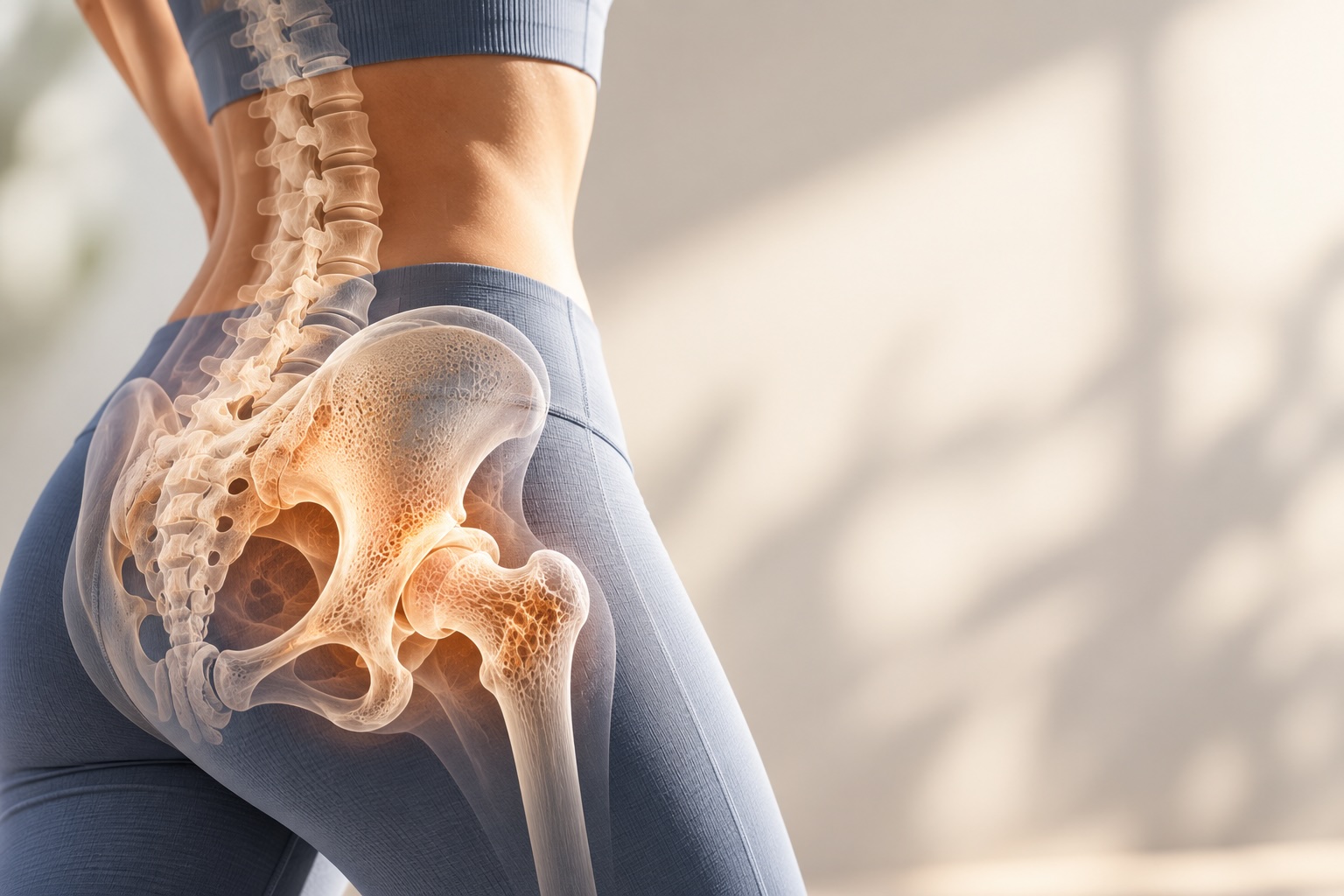
Osteoporosis is a condition in which bones become less dense and structurally weaker, making them more susceptible to fractures. These fractures commonly occur at the hip, spine and wrist and may happen following a relatively minor fall or injury.

One of the challenges with osteoporosis is that it can develop gradually without obvious symptoms. Many people are unaware that their bone density has declined until they experience a fracture or undergo testing for another reason.

Our bones are not static structures. Bone is living tissue that is continually being broken down and rebuilt through a process known as bone remodelling.

During childhood and early adulthood, our bodies generally build bone faster than they lose it. As we get older, this balance gradually changes. Bone loss becomes more common with age and can accelerate significantly for women following menopause due to changes in oestrogen levels.

While we cannot change every risk factor associated with osteoporosis, the way we move and exercise is something we can influence.

Why Exercise Matters for Bone Health

The key principle is simple: bones respond to load.

When bones are exposed to appropriate mechanical stress through weight-bearing activity, resistance exercise and muscle contraction, the body receives a stimulus to maintain and strengthen bone tissue.

This means that exercise for bone health needs to provide enough challenge to encourage adaptation. While all physical activity has benefits, some forms of exercise provide a greater stimulus to bone than others.

Two types of exercise are particularly important.

Weight-bearing and impact exercise involves activities performed on your feet while working against gravity. Depending on your individual circumstances, this may include brisk walking, stair climbing, hiking, dancing, jogging, tennis or carefully prescribed hopping and jumping exercises.

Higher-impact activities can provide a strong stimulus to bone, but they are not appropriate for everyone. The type and intensity of exercise should reflect your current bone health, strength, balance, previous injuries and overall fitness.

Progressive resistance training involves strengthening the muscles using weights, resistance bands, machines or body weight. As muscles contract and pull on bones, they create mechanical forces that help stimulate the skeleton.

Exercises such as squats, lunges, step-ups, rows, presses and appropriately prescribed lifting exercises can form part of a bone-strengthening program.

For many people, the most effective approach combines resistance training with suitable weight-bearing or impact activities.

What About Fracture and Falls Risk?

It is understandable that someone diagnosed with osteoporosis may become more cautious about exercise. A fear of falling or sustaining a fracture can sometimes lead people to reduce their activity considerably.

However, becoming less active can create its own problems.

Reduced activity can contribute to loss of muscle strength, poorer balance and reduced confidence with everyday movement. Over time, these changes may make falls more likely.

This is why strength and balance training are such important components of osteoporosis management.

The aim is not simply to exercise more. It is to exercise appropriately.

For people with osteoporosis or a history of fractures, certain movements or activities may need to be modified. Exercises involving repeated or heavily loaded spinal flexion, for example, may not be suitable for some individuals. Similarly, introducing higher-impact activities without adequate preparation may unnecessarily increase injury risk.

An individual assessment can help determine which exercises are appropriate and how they should be progressed.

How Can Physiotherapy Help?

Physiotherapists can play an important role in helping people exercise confidently and safely when managing osteoporosis or reduced bone density.

At Motion Health, physiotherapy management may include:

  • Assessing your current strength, mobility, balance and physical capacity
  • Identifying factors that may contribute to your risk of falling
  • Developing an individualised strengthening and weight-bearing exercise program
  • Gradually progressing exercise intensity as your strength and confidence improve
  • Providing guidance around safe movement, lifting and everyday activities
  • Modifying exercise where there is a history of pain, injury or fracture
  • Working alongside your GP and other healthcare professionals as part of your overall bone health management

There is no single exercise program that is suitable for everyone. Age, bone density, medical history, previous fractures, current activity levels and other musculoskeletal conditions all need to be considered.

Invest in Your Bones Now

Bone health is something worth thinking about well before osteoporosis develops.

While much of our peak bone mass is established during adolescence and early adulthood, the choices we make throughout adulthood still matter. Staying physically active, maintaining muscle strength and regularly challenging the skeleton can help support stronger bones and better physical function as we age.

This becomes particularly important if you have known risk factors for osteoporosis, such as a family history, menopause, previous low-trauma fractures or reduced bone density.

Most importantly, a diagnosis of osteoporosis does not mean you should stop moving. With appropriate guidance, exercise can be an important part of maintaining your strength, independence and confidence.

If you have osteoporosis, reduced bone density or simply want to be proactive about maintaining strong bones as you age, speak with your physiotherapist about developing an exercise program suited to you.

Your Pelvic Floor Is a Muscle — So Train It Like One

When most people hear the words “pelvic floor,” they may think of pregnancy, childbirth or women’s health. But the pelvic floor is relevant to everyone — women and men — across every stage of life.

In fact, your pelvic floor has more in common with your glutes, abdominal muscles or quadriceps than you might realise. It is made up of skeletal muscle and, like other muscles in the body, it can become stronger with appropriate training, weaker with disuse and change as we age.

Understanding and looking after your pelvic floor can play an important role in maintaining continence, confidence, physical activity and quality of life.

What Is the Pelvic Floor?

The pelvic floor is a group of muscles and connective tissues that form a supportive sling or hammock at the base of the pelvis.

These muscles help support the bladder and bowel, as well as the uterus in women, and contribute areas such as to bladder and bowel control.

Your pelvic floor also needs to respond quickly to changes in pressure. When you cough, sneeze, laugh, lift something heavy, run or jump, the pelvic floor works with other muscles to help maintain support and continence.

Because these muscles aren’t visible and we don’t generally think about them during everyday movement, they can easily be overlooked — often until symptoms develop.

Why Physiotherapists Care About the Pelvic Floor

Pelvic floor physiotherapy fits naturally within physiotherapy because, at its core, we are assessing and treating muscle function, movement and coordination.

The pelvic floor consists of skeletal muscle connected to the pelvis and controlled by the nervous system. Importantly, it needs to be able to both contract and relax appropriately.

Just like other muscles, pelvic floor muscles can present in different ways.

This is why pelvic floor exercises aren’t necessarily a one-size-fits-all solution.

A physiotherapist with appropriate training can assess your symptoms and muscle function before developing an individualised exercise and management program.

What Happens to the Pelvic Floor as We Age?

We know that muscle mass, strength and function gradually change as we get older. Age-related loss of muscle mass and function is known as sarcopenia, and it can affect muscles throughout the body — including the pelvic floor.

Over time, changes to muscle strength, endurance, connective tissues and nerve function may affect how effectively the pelvic floor responds to everyday demands.

For example, the ability to produce a quick, strong contraction when you cough, sneeze, laugh or jump may decline. Hormonal changes, particularly around menopause, can also influence the tissues supporting the pelvic region.

This can contribute to symptoms such as urinary leakage, urgency or reduced pelvic support.

However, common does not mean inevitable. Experiencing leakage as you get older doesn’t mean you simply have to accept it.

Men, This Applies to You Too

Pelvic floor health isn’t only a women’s health issue.

Pelvic floor dysfunction in men may occur for several reasons, including prostate surgery, chronic straining, persistent pelvic pain, changes associated with ageing and other medical or lifestyle factors.

Pelvic floor rehabilitation is particularly important for some men undergoing prostate surgery, where appropriately prescribed pelvic floor muscle training can form part of both pre-operative and post-operative rehabilitation.

If you’re experiencing urinary leakage or other pelvic symptoms, it is worth discussing them with your healthcare professional rather than assuming they’re simply something you need to live with.

Train It Like Any Other Muscle

The good news is that pelvic floor muscles can respond to appropriate training — including later in life.

The principles are similar to strengthening and rehabilitating other muscles in the body:

  • Specificity: Exercises need to appropriately target the pelvic floor, including both contraction and relaxation.
  • Progressive loading: Strength, endurance and coordination can be gradually progressed as your capacity improves.
  • Consistency: Like any strengthening program, improvements require regular practice over time.
  • Correct technique: Technique matters. Some people unintentionally hold their breath, excessively brace their abdominal muscles or bear down rather than correctly contracting and lifting the pelvic floor.
  • Individualisation: Not everyone needs the same exercises. Your program should reflect your symptoms, strength, coordination and goals.

A physiotherapist can help determine whether strengthening, relaxation, coordination training or a combination of approaches is most appropriate for you.

Don’t Wait for a Problem to Start Thinking About Your Pelvic Floor

We regularly talk about maintaining leg strength, cardiovascular fitness, balance and bone health as we age. Pelvic floor strength deserves a place in that conversation too.

Learning how to correctly activate and relax your pelvic floor and incorporating appropriate exercises into your routine may help support bladder and bowel function and allow you to continue exercising and participating confidently in everyday life.

And if you’re already experiencing symptoms such as leakage, urgency or changes in bladder or bowel control, don’t dismiss them as simply “part of getting older.”

There may be strategies that can help.

At Motion Health, our physiotherapists can assess your individual needs and help develop an appropriate exercise and management plan.

What Is Causing Your Tendinopathy?

Tendinopathy is a common condition that we see and treat at Motion Health. It can affect many different tendons throughout the body, including the Achilles tendon, patellar tendon at the knee, hamstring tendons, gluteal tendons around the hip, and tendons of the shoulder and elbow.

If you have recently been told that your pain is related to tendinopathy, you may naturally wonder: why has this happened?

The answer is not always straightforward. Tendon pain is often multifactorial, meaning there may be several contributing factors rather than one single cause. Understanding these factors is an important part of rehabilitation and can help you approach recovery with greater confidence.

Tendon Pain Is More Than Just the Tendon

Traditionally, tendon pain was often viewed as a simple tissue problem — something within the tendon was damaged, inflamed or “worn out”, and this was assumed to be the source of pain.

Our understanding of pain and tendinopathy has evolved considerably. We now know that pain is more complex and can be influenced by a combination of local tissue factors and the way the nervous system processes pain.

  1. Tissue and Physical Factors

A number of factors can influence the health and sensitivity of a tendon, including:

  • Age
  • General health
  • Changes in activity or training load
  • Repetitive loading
  • Previous injury or trauma
  • Hormonal factors
  • Certain medications
  • Inadequate recovery between activities

A common example is a sudden increase in activity. You may have started running more frequently, increased the intensity of your gym program, returned to sport after a break, or significantly increased your walking while on holiday.

When the demands placed on a tendon change faster than its capacity to adapt, symptoms can sometimes develop.

However, this does not necessarily mean that the tendon is damaged or torn.


What About Changes Seen on MRI or Ultrasound?

Medical imaging such as an MRI or ultrasound can be useful in certain circumstances, but imaging findings need to be interpreted carefully.

Scans may identify structural changes within a tendon, sometimes described as degeneration, thickening or tearing. While these findings can sound concerning, structural tendon changes can also be present in people who have no pain or functional limitations at all.

This means that what appears on a scan does not always directly explain how much pain you are experiencing.

Rather than focusing solely on the structure of the tendon, your physiotherapist will consider the complete clinical picture — your symptoms, strength, movement, activity levels, medical history and other factors that may be influencing your pain.


  1. The Brain and Nervous System: Your Pain “Filter”

Pain is not simply a direct measure of tissue damage. It is an experience produced by the nervous system in response to information from the body, combined with many other factors.

You can think of the brain and nervous system as having a pain filter or threshold.

Factors such as:

  • Stress
  • Anxiety
  • Poor sleep
  • Fatigue
  • General health
  • Previous painful experiences
  • Significant life events or trauma
  • Fear or concern about an injury

can influence how sensitive this system becomes.

For example, you may notice your tendon feels more painful during a particularly stressful week or following several nights of poor sleep, despite no significant change in your physical activity.

This does not mean that the pain is “in your head”. The pain is very real. Rather, it highlights that pain is influenced by multiple biological, psychological and lifestyle factors.

Recognising these influences can be an important part of managing persistent tendon pain.


Is It Safe to Exercise with Tendon Pain?

One of the most important components of tendinopathy rehabilitation is gradually rebuilding the tendon’s capacity to tolerate load.

Your physiotherapist may prescribe strengthening exercises and progressively increase your activity over time. Depending on your individual presentation, you may experience some discomfort during this process.

Pain during rehabilitation does not automatically mean that you are causing further tissue damage or “tearing” the tendon. In many cases, an appropriate level of discomfort can be safely managed while gradually increasing strength and function.

The key is finding the right amount of loading for your individual tendon and circumstances.

Simply resting until all pain disappears is not always the best long-term strategy. While modifying aggravating activities may initially be helpful, tendons generally need appropriate and progressive loading to improve their capacity.


Treating the Person, Not Just the Tendon

Successful tendinopathy management involves looking beyond the painful area itself.

At Motion Health, your physiotherapist will assess factors that may be contributing to your symptoms. This may include your strength, mobility, training load, biomechanics, work demands, sporting activities and previous injuries, as well as recovery factors such as sleep and stress.

From there, we can develop an individualised rehabilitation program designed to gradually restore strength, confidence and function.

Recovery from tendinopathy can take time, and progress is not always perfectly linear. Having a clear rehabilitation plan and understanding why symptoms may fluctuate can make the process much easier to navigate.


Experiencing Tendon Pain?

If you are experiencing persistent tendon pain or have recently been diagnosed with tendinopathy, a physiotherapy assessment can help identify the factors that may be contributing to your symptoms.

Our physiotherapists at Motion Health can assess your condition, explain what may be contributing to your pain and develop an individualised treatment and exercise program to help you safely return to the activities that matter to you.

Book an appointment with the Motion Health physiotherapy team to start your rehabilitation and build your tendon strength and capacity with confidence.

GLA:D Program Coming to Motion Health This August: A Smarter Approach to Managing Hip and Knee Osteoarthritis

If you are living with hip or knee osteoarthritis, you are probably been told that “wear and tear” is simply something you have to live with. Fortunately, modern research tells us a very different story.

At Motion Health, we are excited to announce that from the beginning of August, we will be offering the internationally recognised GLA:D (Good Life with osteoarthritis: Denmark) Program—an evidence-based education and exercise program designed specifically for people with hip and knee osteoarthritis.

The GLA:D Program has transformed the way osteoarthritis is managed around the world and is now helping thousands of Australians improve their mobility, reduce pain, and regain confidence in everyday activities.

What is the GLA:D Program?

GLA:D (Good Life with osteoarthritis: Denmark) is a structured treatment program developed by researchers in Denmark and now delivered across Australia through La Trobe University, which oversees national outcome tracking and ongoing program refinement.

The program combines:

  • Individual physiotherapy assessment
  • Education about osteoarthritis
  • Supervised exercise sessions
  • Long-term self-management strategies

Rather than focusing on temporary symptom relief, GLA:D aims to empower people to take control of their osteoarthritis with proven strategies that improve long-term joint health.

The goals of the program are to:

  • Reduce pain
  • Improve strength and function
  • Increase confidence in movement
  • Improve quality of life
  • Help delay or even avoid joint replacement surgery where appropriate

Why Exercise is One of the Best Treatments for Osteoarthritis

For many years, people believed painful joints should be rested. We now know that appropriate exercise is actually one of the most effective treatments for osteoarthritis.

Exercise helps by:

  • Increasing muscle strength to better support the joint
  • Improving joint stability and movement control
  • Stimulating healthy cartilage metabolism
  • Reducing pain through both central and peripheral pain mechanisms
  • Breaking the cycle of pain, inactivity and muscle weakness
  • Improving everyday activities such as walking, climbing stairs and standing from a chair

In fact, international clinical guidelines consistently recommend education and exercise as the first-line treatment for osteoarthritis before considering injections or surgery.

Understanding Osteoarthritis

Osteoarthritis is much more than “wear and tear.”

Modern research recognises osteoarthritis as a whole joint disease influenced by inflammation, joint mechanics and metabolic factors. Over time, the normal balance between cartilage breakdown and repair becomes disrupted, leading to pain, stiffness and reduced function.

While factors such as age, previous joint injuries and genetics cannot be changed, many of the factors that contribute to symptoms are modifiable, including:

  • Physical inactivity
  • Muscle weakness
  • Excess body weight
  • Increased joint loading

This is where physiotherapy and the GLA:D Program can make a significant difference.

What Does the Program Involve?

The Motion Health GLA:D Program follows the internationally recognised format while allowing our physiotherapists to individualise treatment to suit every participant.

The program includes:

Initial Physiotherapy Assessment

You will meet with one of our GLA:D trained physiotherapists for a comprehensive assessment. Together we will discuss:

  • Your symptoms
  • Your goals
  • Functional limitations
  • Current activity levels
  • A personalised plan to help you succeed

Education Sessions

Participants complete two education sessions covering:

  • Understanding osteoarthritis
  • Why movement is medicine
  • Pain science
  • Lifestyle factors
  • Strategies to manage symptoms independently

These sessions help replace common myths about arthritis with practical, evidence-based knowledge.

Supervised Exercise Program

Over six weeks, participants complete 12 supervised exercise sessions specifically designed to improve:

  • Strength
  • Balance
  • Mobility
  • Functional movement
  • Confidence

Exercises are individually progressed to match your ability and symptoms, making the program suitable for a wide range of fitness levels.

Home Exercise and Long-Term Management

A key focus of GLA:D is teaching participants how to continue managing their condition well beyond the supervised sessions.

Participants also complete questionnaires at registration and again at three and twelve months, allowing progress to be measured in areas such as pain, physical function, quality of life and medication use.

How Motion Health Will Deliver the GLA:D Program

At Motion Health, we believe that high-quality care should fit seamlessly into our patients’ lives.

As we introduce the program in early August, GLA:D participants will initially complete their supervised exercise component within our existing Clinical Pilates classes, allowing them to benefit from small group supervision, individual exercise progression and close guidance from our experienced physiotherapists.

This approach allows us to maintain personalised care while introducing the program to our community. As demand grows, we plan to expand into dedicated GLA:D classes, ensuring more people have access to this highly effective program.

Regardless of the class format, every participant will receive the same evidence-based education, assessment and exercise principles that make GLA:D successful worldwide.

Is GLA:D Different from Clinical Pilates?

This is a common question.

Both Clinical Pilates and GLA:D involve supervised exercise, but they have different purposes.

GLA:D is specifically designed for people with hip and knee osteoarthritis. It combines education with a structured strengthening program based on extensive international research.

Clinical Pilates, meanwhile, is broader in scope and may be used for a wide range of musculoskeletal conditions, injury rehabilitation and general strength and movement.

Our physiotherapists will help determine which option—or combination of both—is most appropriate for your goals.

The GLA:D Program may be particularly suitable if you:

  • Experience hip or knee pain or stiffness
  • Find walking, stairs or daily activities becoming more difficult
  • Want to improve strength and mobility
  • Are preparing for, or hoping to delay, joint replacement surgery
  • Want a structured, evidence-based approach to managing osteoarthritis

Ready to Take Control of Your Osteoarthritis?

Living with osteoarthritis doesn’t mean giving up the activities you enjoy.

The GLA:D Program provides the tools, knowledge and support to help you move with greater confidence, reduce pain and improve your quality of life.

If you have hip or knee osteoarthritis and would like to learn whether the GLA:D Program is right for you, speak with one of our physiotherapists or contact the Motion Health reception team.

The GLA:D Program will be available at Motion Health from the beginning of August, and we look forward to helping our community move better, feel stronger and live well with osteoarthritis.


Dry Needling vs Hands-On Physiotherapy: Which Treatment Is Right for You?

If you are experiencing muscle tightness, persistent pain, stiffness, or recovering from an injury, you may have heard about dry needling and hands-on physiotherapy as treatment options. Both are commonly used by physiotherapists to reduce pain, improve movement, and support recovery, but they work in different ways.

At Motion Health, we understand that every person and every injury is different. That is why our physiotherapists tailor treatment to your individual needs, combining evidence-based techniques to help you move better, feel stronger, and get back to doing what you enjoy.

What Is Dry Needling?

Dry needling is a physiotherapy technique that uses very fine, sterile needles to target tight muscles and trigger points. Trigger points are sensitive knots within a muscle that can cause pain, stiffness, and reduced movement. They often develop after injury, repetitive activity, prolonged poor posture, or muscle overload.

Unlike acupuncture, which is based on traditional Chinese medicine, dry needling is grounded in modern anatomy and evidence-based physiotherapy principles. The aim is to reduce muscle tension, improve blood flow, and restore normal muscle function.

When the needle is inserted into a trigger point, the muscle may briefly twitch before relaxing. This response helps decrease muscle tightness, improve movement, and reduce pain.

Benefits of Dry Needling

Dry needling may help to:

  • Reduce muscle tension and tightness
  • Relieve acute and persistent pain
  • Improve flexibility and range of motion
  • Promote recovery following injury
  • Reduce muscle spasms
  • Improve the effectiveness of rehabilitation exercises

Dry needling is commonly used to treat neck and shoulder pain, lower back pain, sports injuries, muscle strains, tendinopathies, tennis elbow, headaches, and ongoing muscle tightness.

Following treatment, it is normal to experience mild soreness or slight bruising for up to 48 hours. These effects are temporary and usually settle quickly.

What Is Hands-On Physiotherapy?

Hands-on physiotherapy, also known as manual therapy, involves your physiotherapist using skilled techniques with their hands to assess and treat muscles, joints, and soft tissues.

Manual therapy has been an important part of physiotherapy for many years and is highly effective in reducing pain, improving mobility, and restoring normal movement patterns. Treatment is always tailored to your symptoms and adjusted throughout the session based on how your body responds.

Depending on your condition, your physiotherapist may use a combination of:

  • Soft tissue massage
  • Joint mobilisation
  • Assisted stretching
  • Myofascial release
  • Trigger point therapy
  • Muscle energy techniques

These techniques are often combined with strengthening exercises and movement retraining to provide long-lasting improvements.

Benefits of Hands-On Physiotherapy

Manual therapy can help:

  • Reduce pain and stiffness
  • Improve joint mobility
  • Restore normal movement
  • Improve flexibility
  • Enhance circulation and tissue healing
  • Support recovery following injury or surgery

Hands-on physiotherapy is commonly used for neck and back pain, arthritis, shoulder injuries, muscle strains, sports injuries, post-operative rehabilitation, and joint stiffness.

What’s the Difference?

Although both treatments aim to reduce pain and improve movement, they target different aspects of the body.

Dry needling focuses on releasing tight muscles and trigger points using fine needles. It is particularly effective when muscle tension is contributing to pain or limiting movement.

Hands-on physiotherapy uses manual techniques to improve the movement of joints, muscles, and surrounding soft tissues. It focuses on restoring normal function, improving mobility, and correcting movement patterns.

Rather than choosing one treatment over the other, these approaches often work best together.

For example, dry needling may help release stubborn muscle tightness, allowing manual therapy to more effectively restore joint mobility. When combined with personalised rehabilitation exercises, this integrated approach can often produce better long-term outcomes than using either treatment alone.

Which Treatment Is Right for You?

The most appropriate treatment depends on your diagnosis, symptoms, goals, and personal preferences.

Dry needling may be recommended if you are experiencing:

  • Persistent muscle tightness
  • Trigger point pain
  • Sports-related muscle injuries
  • Chronic neck or back pain

Hands-on physiotherapy may be more appropriate if you have:

  • Joint stiffness
  • Reduced mobility
  • Arthritis
  • Post-operative movement restrictions
  • General musculoskeletal pain

Some patients prefer manual therapy because it doesn’t involve needles, while others find dry needling provides faster relief from muscular pain.

The best treatment option is determined following a thorough physiotherapy assessment. Your physiotherapist will identify the underlying cause of your symptoms before recommending the most appropriate treatment approach.

Why a Personalised Treatment Plan Matters

Successful physiotherapy is about more than relieving pain. The goal is to identify why your symptoms developed in the first place and help prevent them from returning.

At Motion Health, we combine hands-on treatment, dry needling where appropriate, education, and targeted exercise programmes to address the underlying cause of your condition. Every treatment plan is tailored to your lifestyle, goals, and stage of recovery.

Whether you’re recovering from a sporting injury, managing a long-term condition, or looking to improve your movement, our experienced physiotherapists will work with you to achieve the best possible outcome.

Start Your Recovery with Motion Health

If pain, stiffness, or injury is affecting your everyday life, physiotherapy can help you regain confidence in your movement.

At Motion Health, our experienced physiotherapists provide evidence-based treatments including dry needling, hands-on physiotherapy, exercise rehabilitation, and injury management. We take the time to understand your concerns and develop a personalised treatment plan that supports your recovery and long-term wellbeing.

Book an appointment with Motion Health today and let our team help you move more freely, recover faster, and get back to doing what you love.

Osteoarthritis in Knees: Symptoms, Causes, and Management

If you’re experiencing joint pain, stiffness, or loss of function — especially in your hands, knees, or hips — you might be dealing with a chronic condition called osteoarthritis (OA). OA is the most common form of arthritis and affects millions of people worldwide.

What Causes Osteoarthritis?

There isn’t a single cause of OA, but several factors can increase your risk, including:

  • Joint injuries
  • Carrying excess weight
  • Older age
  • Being female
  • Repetitive joint-loading tasks (like frequent kneeling, squatting, or heavy lifting)

Why Are Knees Commonly Affected?

The knees are one of the most commonly affected joints in the lower body. Knee OA involves a mix of changes within the joint, including:

  • Damage to the cartilage that cushions the bones
  • Inflammation inside the joint
  • Bone changes (like extra bone growths called osteophytes)
  • Ligament looseness
  • Weakening of the surrounding muscles

These changes can lead to pain, stiffness, swelling, and difficulty moving.

How is Knee Osteoarthritis Managed?

Although there’s no cure for OA yet, many non-surgical and non-drug treatments can help manage symptoms and improve quality of life.

1. Regular Exercise

Exercise is one of the best ways to manage knee OA. Strong evidence recommends:

  • Muscle strengthening exercises
  • Aerobic activities like walking, cycling on a stationary bike, or swimming
  • Tai Chi — a gentle, joint-friendly exercise
  • Yoga for flexibility and balance

Another great option is the GLA:D® program, an eight-week education and exercise program for people with knee or hip OA.

2. Non-Drug Treatments

Other useful strategies include:

  • Using a cane, walker, or crutches to support mobility if needed
  • Applying heat packs or hot water bottles for relief
  • Having manual physiotherapy alongside other lifestyle management
  • Weight management is strongly recommended for those who are overweight, as it helps reduce stress on the joints

3. Medications

When needed, medications can help manage OA symptoms:

  • Oral non-steroidal anti-inflammatory drugs (NSAIDs)in low doses and for short periods
  • Topical NSAIDs applied to the skin over the knee (watch for side effects and stop if not effective)
  • Corticosteroid injections for short-term relief (note: repeated injections should be done cautiously due to possible long-term harm)

4. What Should Be Avoided or Delayed?

There are some treatments best avoided or delayed unless absolutely necessary, such as:

  • Oral or transdermal opioids
  • Vitamin D supplements for OA (unless there’s a deficiency)
  • Joint space acupuncture
  • Surgical options like arthroscopic lavage, debridement, or cartilage repair, unless your knee is locking or other severe symptoms develop

There’s a lot you can do to manage knee osteoarthritis without relying on surgery or heavy medications. Regular movement, tailored exercise programs, non-drug treatments, and occasional medication can make a big difference in keeping you mobile, comfortable, and enjoying life.

Healthy Aging with Strength & Power Training

The subject of Strength and Power for healthy aging is something that regularly comes up as a discussion point with my patients. Strength training is something that I bring to most rehabilitation plans, but this subject also forms part of the discussion I have with people about long term healthy habits and why it is so important as we grow older.

As we age, it is inevitable that we start to lose Skeletal Muscle. This is known as Sarcopenia. Strength training will help us to mitigate as much of that loss as possible. Think of Muscle like a Functional reserve, buffering us for example against Injury, Sickness and Hospitalisations.

Evidence supports the fact that it is more important to have strength as we age, over other traits such as endurance or flexibility, if we want to age well. But what does ‘aging well’ mean? To me it’s the ability to keep doing the things that are meaningful in your life. It could be keeping up with the Kids/Grandkids, Work, travel, Sports/hobbies, social activities etc. To have good health and of course to keep independent and mobile in your latter years.

So where to start a Healthy Aging?

We need muscle to build Strength to then develop Power. Movement and activity are the Fundamental Basis of this. Finding something that you like to do and doing it regularly is a great place to start. If it involves some skill, Power and Balance then even better!

If you are going to engage in something that involves more specific strength training the current guidelines are:

  • 2 x week of Strength training
  • 2-4 sets of an exercise
  • 5-20 repetitions at an intensity of 8/10 or 1-2 repetitions in reserve at the finish.
  • Must Progress over time and be consistently applied!

So, what about Power? Power is basically moving a small load Fast! Think, having to suddenly run after a runaway grandchild, quickly rise from a chair etc. The loss of it also appears to be riskier in terms of Health than a loss in Strength. Think about maintaining the ability to be able to move your body quickly in reaction to a trip!

Good news is that if you are already attending one of our studio classes more than 1 x week, then you are meeting clinical guidelines. If you think you might like to start engaging in some Strength and Power training, or if any of this information interests you and you would like to learn more about what Group exercise classes, we offer at Motion Health, please come and speak to one of our friendly team!


Written by Catherine MacRae

Ski Fitness Training: How to Get Ski Fit for the Winter Season

cardio activity

If you love skiing, now is the perfect time to start your ski fitness training and prepare your body for the slopes. Skiing is a physically demanding sport that requires strength, endurance, balance, and control.

By focusing on ski-specific exercises, you can improve your performance while reducing the risk of injury during the winter season.


Why Ski Fitness Is Important

Skiing places high demands on your lower body and core. Without proper preparation, fatigue and poor control can increase your risk of injury—especially in the knees.

A structured ski fitness program helps you:

  • Improve strength and control on the slopes
  • Build endurance for longer ski sessions
  • Increase stability and balance
  • Reduce injury risk


How to Get Ski Fit: Key Training Tips

1. Build Lower Body Strength

Strong legs are essential for skiing. Focus on the muscles that do the most work:

  • Quadriceps (front of thighs)
  • Glutes (buttocks)
  • Hamstrings (back of thighs)
  • Hip muscles

Exercises like squats, lunges, and deadlifts can help develop muscle power for skiing.


2. Improve Balance and Core Stability

Good balance is critical for maintaining control on uneven terrain.

Focus on strengthening:

  • Core muscles
  • Hip stabilisers

This helps improve stability around the knees, which are highly prone to skiing injuries.


3. Build Endurance for the Slopes

Skiing involves repeated runs, so muscular endurance is key.

To improve endurance:

  • Perform higher-repetition strength exercises
  • Incorporate circuit training
  • Stay consistent with your workouts

This will help you ski longer without fatigue.


4. Increase Cardiovascular Fitness

Cardio fitness is essential to keep up with the demands of skiing.

Include activities such as:

  • Running
  • Cycling
  • Interval training (HIIT)

These exercises improve heart and lung capacity, helping you stay energised on the slopes


Get Ski Ready This Winter

Preparing your body before the ski season can make a significant difference to your performance and safety. A well-rounded ski fitness program combining strength, balance, endurance, and cardio will help you feel more confident and in control.

If you’re unsure where to start, working with a physiotherapist can help you develop a personalised program tailored to your fitness level and goals.

Load Management for Injury Prevention

Motion Health Exercise Physiology Melbourne

By Catherine Macrae

Whether you are training for a marathon, a hiking holiday, a week at the ski slopes, or even just maintaining the ability to cope with tasks of daily living, managing load is relevant for everyone. Research highlights the need for education on modification of load in addition to strengthening the kinetic chain.

So how do we define load? It’s basically the total volume, type and intensity of activity that an individual undertakes in both training and competition. Measuring and monitoring load is important to the individual and Physiotherapist because we can use the information to our advantage in preventing any Non-contact soft tissue or bony injuries in the future. Your base ‘condition’ or ‘capacity’ will dictate how much load your body may be able to tolerate. If the loads that you apply to your bodies are greater than the tissues capacity to cope, then a reactive response can lead to inflammation, sensitivity and pain.


Courtesy of ‘The Running Physio’- Tom Goom.

The AIS have produced a paper based on best practice guidelines titled ‘Can we think about training loads differently’ – click here to read the paper.

They have set out five key principles of load management to assist in Injury Prevention

1. Establish moderate training loads and ensure these are maintained
Basically, tissues LOVE consistency! If you can apply a consistent level of loading over a period of time, the tissues begin to adapt and when sudden spikes in load do occur, they will be much more likely to cope.

2. Be aware that injuries can be latent following increased training loads
This is why managing and particularly monitoring load is so important. Sudden increases should be avoided, with a general rule of 10% load increases only!

3. Minimise large week to week fluctuations
Consistency is key! Common pitfalls occur when returning from training/loading breaks like holidays or injuries, and individuals resume training at the previous level of load. Illustrated nicely with Dye’s ‘Envelope of Function’ (Courtesy of Tom Goom ‘The Running Physio’)

4. Establish a floor ceiling of safety
Any training program should set out a minimal level of weekly loading, and a maximum level of loading. Ensuring training stays in the ‘Safety sweet spot’

5. Ensure training loads are appropriate for your current situation.
Loads should represent the current tissue capacity. Monitoring how someone is responding to load (i.e Fatigue, sleep, tissue response etc) assists us in graduating a training program appropriately.

The take home message from this, is GET MOVING! Tissues Love and adapt to regular loading. If you have a training aim or competition goal in the future, use the assistance of a Health Professional like a Physiotherapist or Exercise Physiologist, to establish a base training program and assist in monitoring the graduation of your loading to allow you to reach those targets safely, without injury!

Booking guidelines

When scheduling an appointment at Motion Health, please ensure you select the consultation type that accurately reflects your treatment needs. This enables our physiotherapists to deliver care that is precisely tailored to your condition, ensuring you receive the most effective treatment approach, appropriate appointment duration, and continuity of care throughout your management plan.

Initial Consultation - 40 Minutes

This appointment is required for all new patients who have not previously attended Motion Health. It includes a comprehensive assessment, diagnosis, and the development of an appropriate treatment plan.

Subsequent Consultation – 20 Minutes

This appointment is suitable only if you have recently seen the physiotherapist for your current condition and no further diagnostic assessment is required. The session focuses exclusively on follow-up treatment, without re-diagnosis.

Subsequent Consultation – 40 Minutes

This appointment is recommended if you are returning with a new condition and require a revised diagnosis. The 40mins allows additional time for a detailed reassessment, discussion, and updated treatment planning.